Downstream
| Assets | 2023 | 2024 | 2025 | ||||||
|---|---|---|---|---|---|---|---|---|---|
| Export | Domestic market | Total | Export | Domestic market | Total | Export | Domestic market | Total | |
| Operating assets Ozenmunaigas, Embamunaigas, Karazhanbasmunai, Kazgermunai, PetroKazakhstan Inc., Kazakhturkmunay, Kazakhoil Aktobe, Mangistaumunaigaz, Urikhtau Operating, Dunga, Ural Oil and Gas. | 5,406 | 8,302 | 13,708 | 5,884 | 8,518 | 14,402 | 5,631 | 8,740 | 14,371 |
| including subsidiaries and associates Ozenmunaigas, Embamunaigas, Kazakhturkmunay, Urikhtau Operating. | 2,955 | 4,980 | 7,935 | 3,169 | 5,224 | 8,383 | 2,985 | 5,411 | 8,396 |
| Megaprojects KMG Kashagan, KMG Karachaganak, Tengizchevroil. | 9,978 | 9 | 9,987 | 9,616 | 1.04 | 9,987 | 11,908 | 1.04 | 11,909 |
| Total | 15,384 | 8,311 | 23,695 | 15,500 | 8,519 | 24,019 | 17,539 | 8,741 | 26,281 |
Pursuant to the President’s commission and further commissions from the Government of the Republic of Kazakhstan, KMG continues to introduce the combined scheme at its refineries, taking into account the amendments being made to the Law of the Republic of Kazakhstan On State Regulation of Production and Sales of Certain Oil Products with respect to oil supplies to local refineries. The combined scheme and amendments mentioned above provide for a subsoil user’s affiliate to be recognised as an oil supplier subject to at least one of the following conditions:
- the oil supplier owns at least 50% of shares in the subsoil user;
- the subsoil user owns at least 50% of shares in the oil supplier;
- the oil supplier and subsoil user are controlled by one or more persons owning, directly or indirectly, a total of at least 50% of shares in the oil supplier and subsoil user.
Ozenmunaigas, Embamunaigas, Kazakhturkmunay and Urikhtau Operating supply Atyrau, Pavlodar and Shymkent refineries with KMG’s own crude oil, and the resulting refined products are subsequently sold wholesale domestically or for export. In 2025, sales of own oil and gas condensate to meet domestic demand amounted to 8,741 thous. tonnes (8,519 thous. tonnes in 2024), including 5,411 thous. tonnes of crude oil (5,224 thous. tonnes in 2024) supplied from operating assets – Ozenmunaigas, Embamunaigas, Kazakhturkmunay, Urikhtau Operating – to Atyrau, Pavlodar and Shymkent refineries for further refining and oil product sales.
Refining assets
KMG’s hydrocarbon refining operations embrace four largest refineries in Kazakhstan and the sole asset in the EU – two refineries in Romania producing a wide range of products.
| Indicator | Kazakhstan | Romania | ||||
|---|---|---|---|---|---|---|
| Atyrau Refinery | Pavlodar Refinery | Shymkent Refinery | Caspi Bitum | Petromidia Refinery | Vega Refinery | |
| Location | Atyrau | Pavlodar | Shymkent | Aktau | Năvodari | Ploiești |
| Commissioning date | 1945 | 1978 | 1985 | 2013 | 1979 | 1905 |
| Design refining capacity, mln tonnes | 5.5 | 6.0 | 6.0 | 1.5 | 6.0 Design capacity includes refining 5 mln tonnes of crude oil and 1 mln tonnes of other hydrocarbons per year. | 0.5 |
| Refinery utilisation rate in 2025, % | 99 | 96 | 104 | 46 | 98 Petromidia Refinery utilisation rate is 97.5% based on Solomon Associates’ methodology. | 79 |
| KMG interest, % | 99.53 | 100 | 49.72 | 50 | 54.6 | 54.6 |
| Nelson Index | 13.9 | 10.5 | 8.2 | – | 10.5 | – |
| Energy Intensity Index (EII) | 114 | 113 | 113.3 | – | 92.5 | – |
| Refinery co‑owners | – | – | CNPC | CITIC | Romanian Government | Romanian Government |
Total hydrocarbon refining volumes increased by 9.5% year‑on‑year to 20,980 thous. tonnes.
| Assets | 2023 | 2024 | 2025 |
|---|---|---|---|
| Kazakhstan refineries | |||
| Atyrau Refinery | 5,475 | 5,547 | 5,471 |
| Pavlodar Refinery | 5,434 | 5,500 | 5,765 |
| Shymkent Refinery (50%) | 2,870 | 2,872 | 3,114 |
| Caspi Bitum (50%) | 427 | 327 | 348 |
| Total for Kazakhstan refineries | 14,206 | 14,246 | 14,698 |
| Romania refineries | |||
| Petromidia Refinery | 5,012 | 4,619 | 5,886 |
| Vega Refinery | 374 | 293 | 395 |
| Total for Romania refineries | 5,387 | 4,912 | 6,282 |
| Total | 19,593 | 19,158 | 20,980 |
Oil product output at Kazakhstan and Romania refineries increased by 10.1% to 19,708 thous. tonnes.
- Kazakhstan refineries manufactured 13,528 thous. tonnes of oil products (up 3.4% year‑on‑year) to hit record highs.
- KMG International’s refineries (Petromidia, Vega) manufactured 6,180 thous. tonnes of oil products (up 28.5%) primarily as a result of the corresponding refining increase at the facilities.
| Assets | 2023 | 2024 | 2025 |
|---|---|---|---|
| Kazakhstan refineries | |||
| Atyrau Refinery | 4,858 | 5,025 | 4,904 |
| Pavlodar Refinery | 5,034 | 5,084 | 5,385 |
| Shymkent Refinery (50%) | 2,638 | 2,653 | 2,894 |
| Caspi Bitum (50%) | 421 | 323 | 345 |
| Total for Kazakhstan refineries | 12,951 | 13,085 | 13,528 |
| Romania refineries | |||
| Petromidia Refinery | 4,848 | 4,521 | 5,786 |
| Vega Refinery | 373 | 288 | 394 |
| Total for Romania refineries | 5,221 | 4,809 | 6,180 |
| Total | 18,172 | 17,894 | 19,708 |
Refining volumes at Kazakhstan refineries
| Refinery | 2023 | 2024 | 2025 |
|---|---|---|---|
| Atyrau Refinery | 5,475 | 5,547 | 5,471 |
| Pavlodar Refinery | 5,434 | 5,500 | 5,765 |
| Shymkent Refinery (50%) | 2,870 | 2,872 | 3,114 |
| Caspi Bitum (50%) | 427 | 327 | 348 |
| Total | 14,206 | 14,246 | 14,698 |
In 2025 KMG refineries increased output by 3.2% to 14,698 thous. tonnes to hit record highs. The increase is due to Symkent Refinery operating without shutdown for scheduled maintenance and an increased supply to Pavlodar Refinery to boost the production of light oil products.
| Oil products | 2023 | 2024 | 2025 |
|---|---|---|---|
| Atyrau Refinery | 4,858 (100%) | 5,025 (100%) | 4,904 (100%) |
| Light Petrol, diesel fuel, jet fuel, and LNG. | 3,602 (74%) | 3,705 (74%) | 4,104 (84%) |
| Dark Fuel oil, vacuum gas oil, and bitumen. | 1,073 (22%) | 1,013 (21%) | 565 (12%) |
| Petrochemicals Benzene and paraxylene. | 49 (1%) | 136 (3%) | 96 (2%) |
| Other | 134 (3%) | 171(4%) | 138 (3%) |
| Pavlodar Refinery | 5,034 (100%) | 5,084 (100%) | 5,385 (100%) |
| Light | 3,895 (77%) | 4,021 (79%) | 4,282 (80%) |
| Dark | 809 (16%) | 793 (16%) | 746 (14%) |
| Other | 330 (7%) | 271 (5%) | 357 (7%) |
| Shymkent Refinery (50%) | 2,638 (100%) | 2,653 (100%) | 2,894 (100%) |
| Light | 2,222 (84%) | 2,262 (85%) | 2,544 (88%) |
| Dark | 410 (16%) | 385 (15%) | 343 (12%) |
| Other | 6 (0.3%) | 7 (0.3%) | 8 (0.3%) |
| Caspi Bitum (50%) | 421 (100%) | 323 (100%) | 343 (100%) |
| Dark | 179 (43%) | 121 (38%) | 142 (41%) |
| Other | 242 (57%) | 201 (42%) | 203 (59%) |
| Total | 12,951 | 13,085 | 13,528 |
| Refinery | 2023 | 2024 | 2025 | Year‑on‑year change, p.p. |
|---|---|---|---|---|
| Atyrau Refinery | 66.85 | 69.22 | 76.72 | +7.5 |
| Pavlodar Refinery | 72.02 | 73.22 | 74.34 | +1.1 |
| Shymkent Refinery | 77.46 | 78.76 | 81.68 | +2.9 |
| Average for three refineries | 72.19 | 73.8 | 77.7 | +3.9 |
In 2025, all three refineries reached a record refining depth due to Shymkent Refinery operating non‑stop without repair intervals and early completion of repairs at Atyrau and Pavlodar refineries.
| Refinery | 2023 | 2024 | 2025 | Year‑on‑year change, p.p. |
|---|---|---|---|---|
| Atyrau Refinery | 82.09 | 85.06 | 88.24 | +3.2 |
| Pavlodar Refinery | 89.63 | 91.50 | 93.95 | +2.5 |
| Shymkent Refinery | 84.88 | 85.77 | 88.16 | +2.4 |
| Average for three refineries | 85.51 | 87.41 | 90.1 | +2.7 |
In the reporting year, the Company continued to improve asset efficiency focusing on optimising timeframes and contributing to the national fuel market equilibrium.
To offset the impact of maintenance campaigns on the domestic market, the Company proactively built up necessary oil product inventories and adjusted production plans at refineries, thereby ensuring stable supply.
Investment projects at refineries
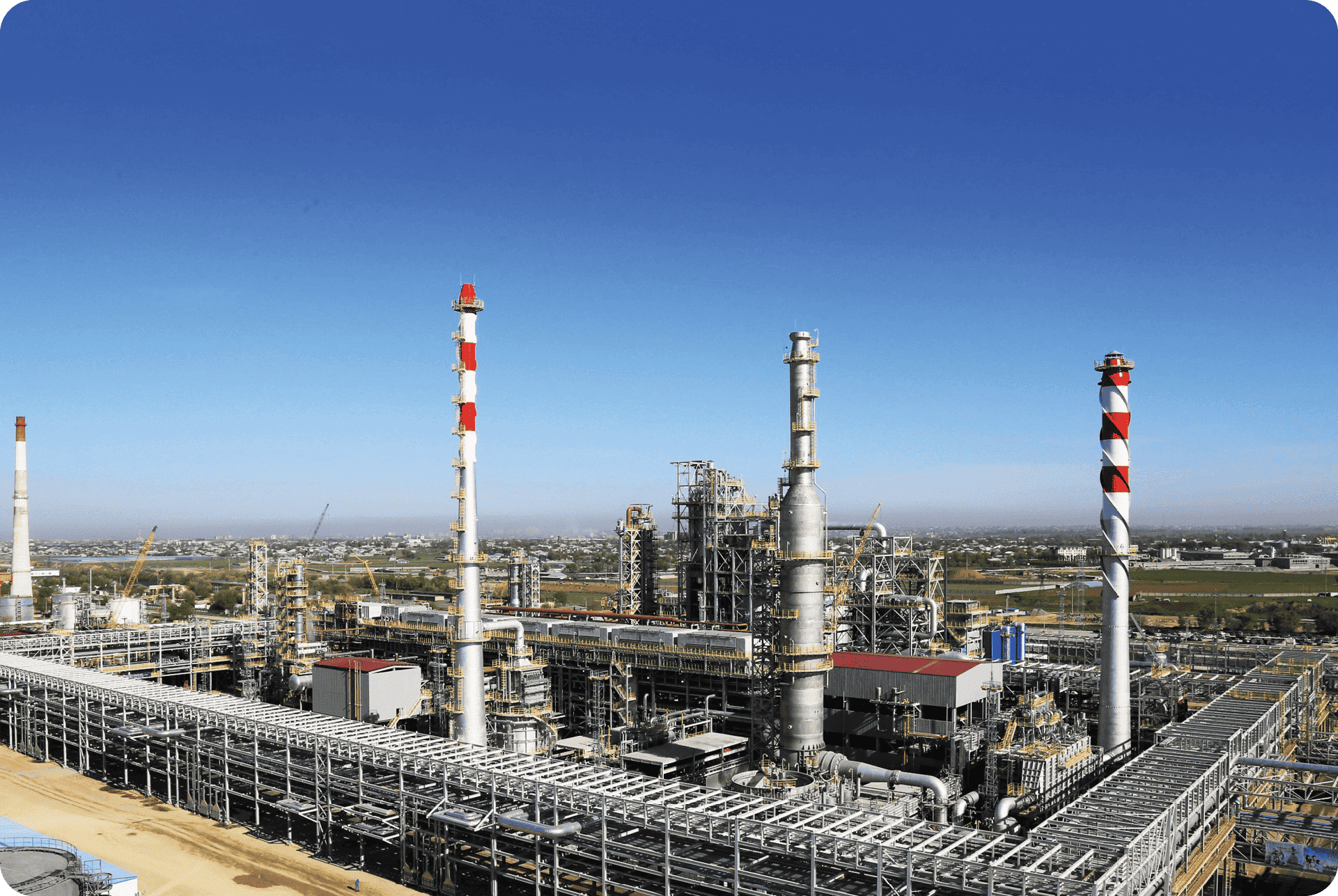
In 2025, the Company made significant progress in capacity ramp‑up and product quality improvement projects.
Shymkent Refinery. The project to expand production capacities to 12 mln tonnes per year progressed to the next stage. Following completion of pre‑FES revisions in the reporting year, development of the feasibility study commenced in 2026.
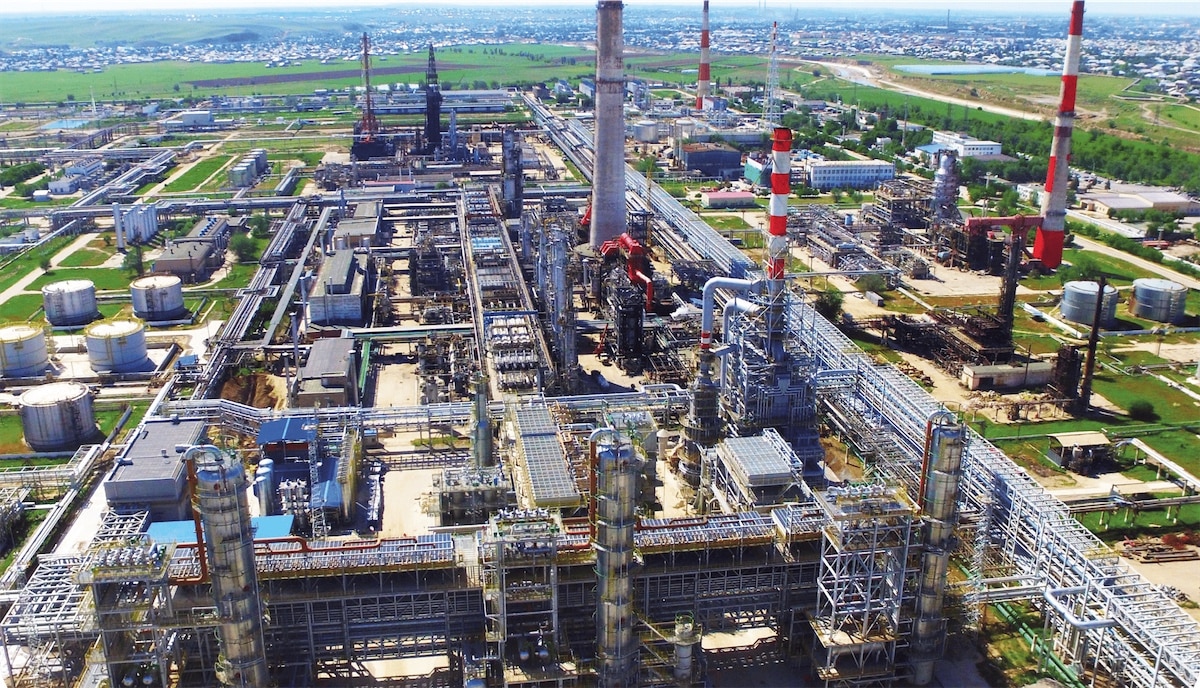
A project to increase the output of winter diesel fuel is ongoing. In 2025, the reconstruction of a diesel hydrotreating plant, including a dewaxing unit, started and is expected to finish simultaneously with an overhaul in 2026. At the same time, the refinery started to construct a 12,500 Nm³/h hydrogen unit to support hydrotreatment processes.
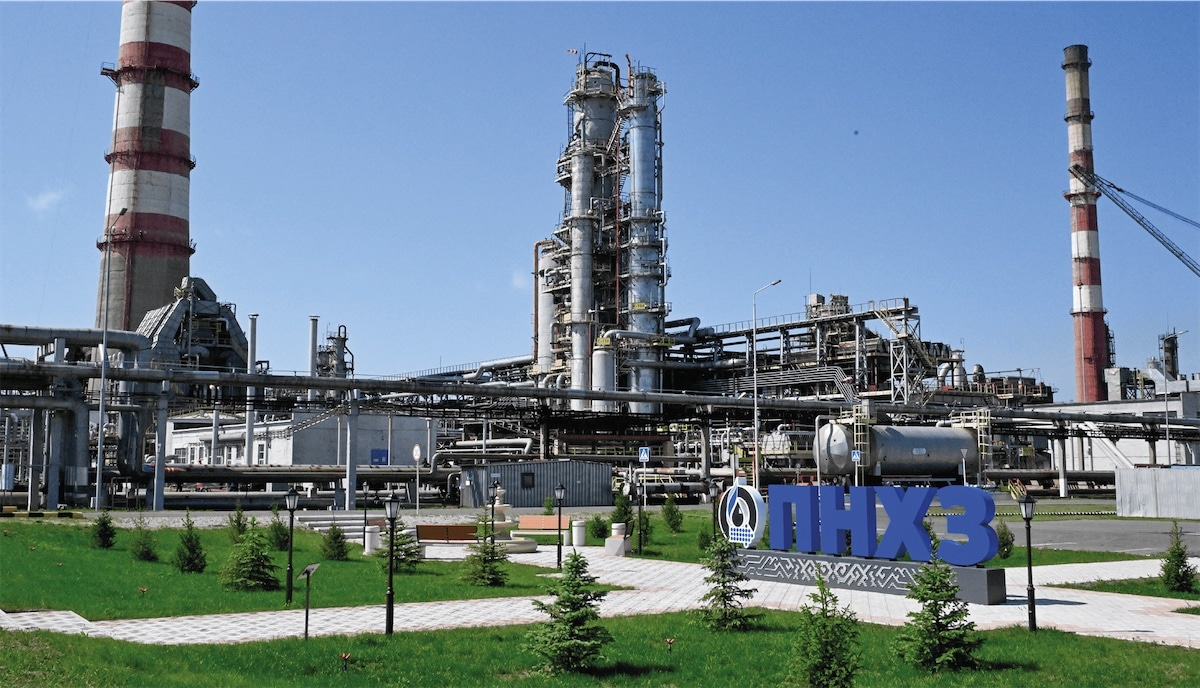
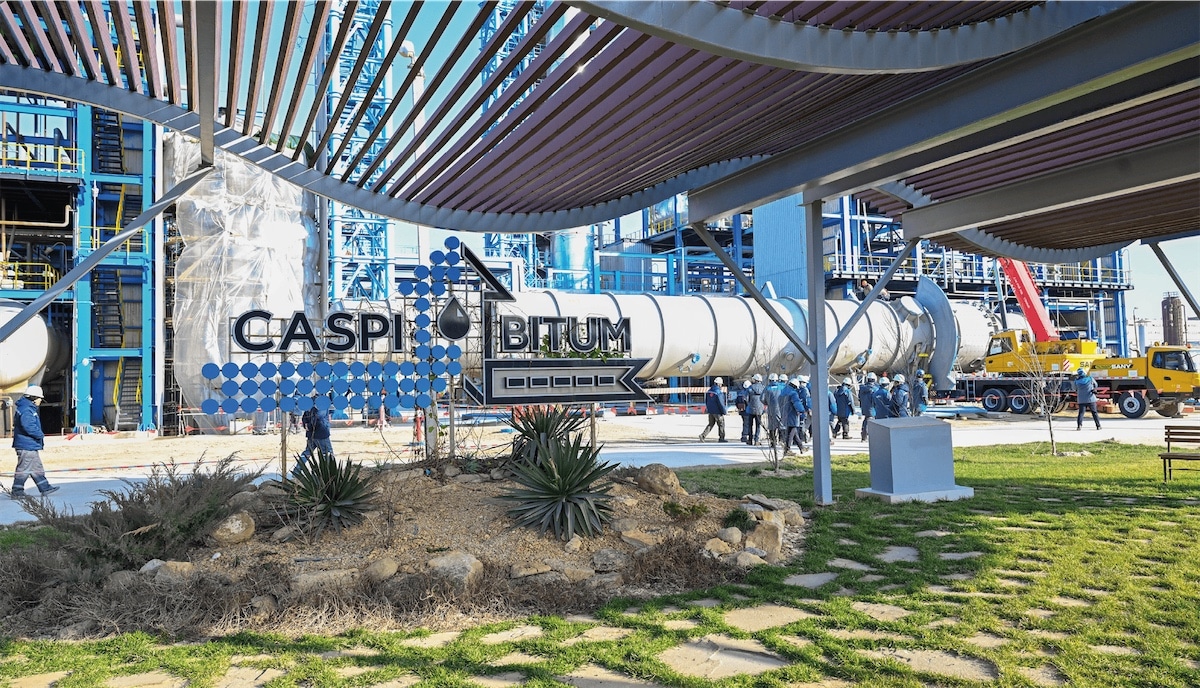
Caspi Bitum. In 2Q 2025, the refinery successfully completed a large‑scale upgrade, with capacity ramped up to 1.5 mln tonnes and road bitumen production to 750 thous. tonnes per year to fully meet the growing demand from the road construction industry.
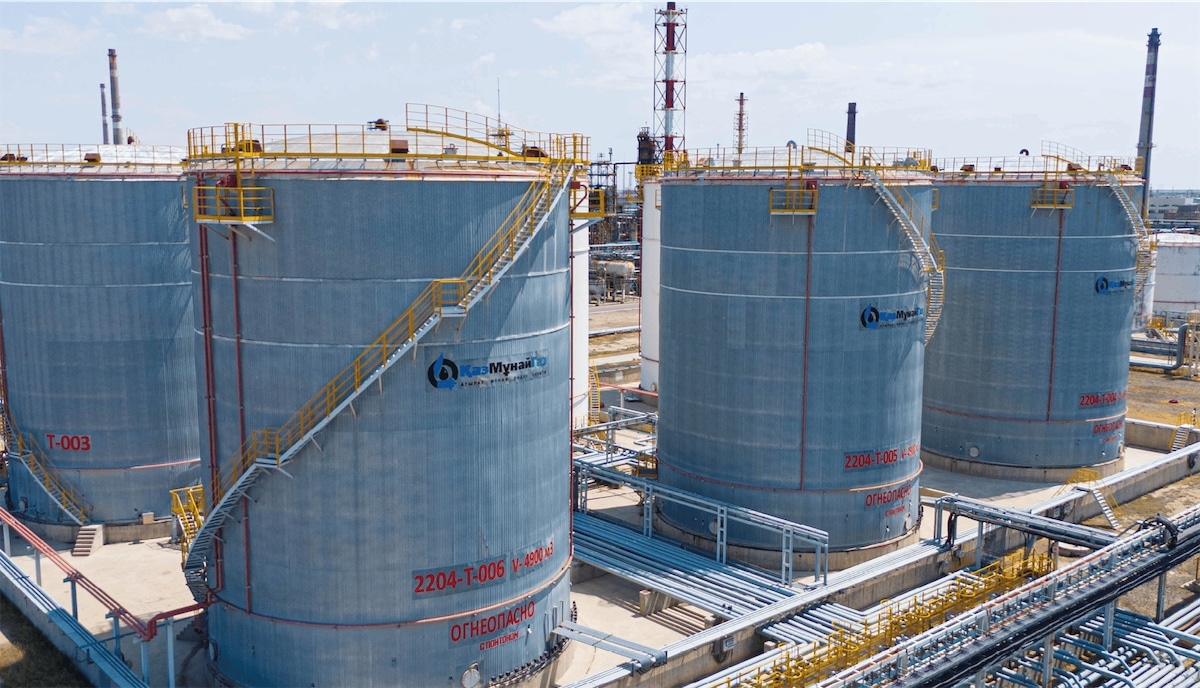
Atyrau Refinery. A comprehensive programme to improve efficiency in 2023–2027 is ongoing. The programme seeks to upgrade the key process units to increase the yield of light oil products.
Tariff policy
Kazakhstan refineries provide oil refining services under a processing business scheme while oil owners (suppliers) are responsible for the sale of end‑products. This model enables refineries to focus on process efficiency, optimisation and cost control.
Approved refining tariffs are economically justified and factor in actual operating expenses and an investment component needed to service loans and finance CAPEX.
| Refinery | 2023 | 2024 | 2025 |
|---|---|---|---|
| Atyrau Refinery | 54,079 | 54,450 | 49,593 |
| Pavlodar Refinery | 23,240 | 26,500 | 32,212 |
| Shymkent Refinery | 35,336 | 35,336 | 35,336 |
| Caspi Bitum | 27,791 | 45,835 | 34,865 |

Scheduled preventive maintenance in 2026 (primary oil refining units)
- Atyrau Refinery: routine servicing at EDD‑ADU‑2 from 26 June to 10 July (15 days);
- routine servicing at EDD‑AVDU (ADU) from 26 June to 19 July (20 days);
- Pavlodar Refinery: an overhaul is scheduled from 18 September to 17 October (30 days);
- Shymkent Refinery: an overhaul is scheduled from 27 March to 25 April (30 days);
- Caspi Bitum: an annual overhaul from 2 to 31 December (30 days).
Production and sales of oil products derived from KMG’s own oil
Apart from its role as the parent company, KMG’s Corporate Centre refines oil purchased from subsidiaries and associates and sells oil products. In 2025, KMG refined oil produced by Ozenmunaigas, Embamunaigas and Kazakhturkmunay at three Kazakhstan refineries in Atyrau, Pavlodar and Shymkent.
A total of 5,612 thous. tonnes of oil were refined to manufacture 5,555 thous. tonnes of commercial oil products, including:
- light oil products (71%): motor petrol, diesel and jet fuel;
- dark oil products (11%): fuel oil, vacuum gas oil and bitumen;
- petrochemicals (1%): benzene and paraxylene;
- other (17%): liquefied gas, sulphur, coke, and process fuel.
Key export destinations include the Netherlands, China, Azerbaijan and Türkiye. We sold a total of 5,607 thous. tonnes of oil products, with 91% supplied to the domestic market and 9% exported.
| Oil products | Atyrau Refinery | Pavlodar Refinery | Shymkent Refinery | Total | Average oil product wholesale prices over 12M 2025, KZT per tonne |
|---|---|---|---|---|---|
| Light oil products | 2,096 | 1,296 | 563 | 3,954 | 246,608 |
| Dark oil products | 299 | 245 | 82 | 626 | 122,613 |
| Petrochemicals | 54 | 0 | 0 | 54 | 252,130 |
| Other | 465 | 349 | 106 | 920 | 27,537 |
| Total | 2,914 | 1,890 | 751 | 5,555 | 196,407 |
Quality and standards
Our products comply with the K‑4 and K‑5 environmental standards (equivalent to Euro‑4 and Euro‑5). Following a large‑scale upgrade completed in 2018, refineries reduced the content of harmful substances as follows:
- sulphur – by 10 times;
- aromatic hydrocarbons – by 1.5 times;
- benzene – by 5 times.
Exports and domestic market
A total of 495 thous. tonnes of oil products were exported, including fuel oil, paraxylene, benzene and coke. Domestic supplies served to meet the needs of the agricultural sector and social infrastructure, including through the supply of fuel oil for heating and jet fuel for aviation services.
| Product | 2023 | 2024 | 2025 | ||||||
|---|---|---|---|---|---|---|---|---|---|
| Domestic market | Export | Total | Domestic market | Export | Total | Domestic market | Export | Total | |
| Petrol | 1,529 | – | 1,529 | 1,582 | – | 1,582 | 1,833 | 9 | 1,842 |
| Diesel fuel | 1,512 | – | 1,512 | 1,673 | – | 1,673 | 2,009 | – | 2,009 |
| Jet fuel | 165 | – | 165 | 213 | – | 213 | 205 | – | 205 |
| Fuel oil | 205 | 504 | 708 | 215 | 382 | 596 | 183 | 296 | 478 |
| Vacuum gas oil | – | 81 | 81 | – | 112 | 112 | – | 1 | 1 |
| Bitumen | 87 | – | 87 | 130 | – | 130 | 134 | – | 134 |
| Coke | 50 | 103 | 154 | 62 | 124 | 186 | 31 | 127 | 158 |
| Sulphur | 12 | 9 | 21 | 21 | 6 | 27 | 14 | 10 | 25 |
| Benzene | – | 12 | 12 | – | 13 | 13 | – | 19 | 19 |
| Paraxylene | – | 8 | 8 | – | 52 | 52 | – | 33 | 33 |
| Liquefied gas | 230 | – | 230 | 256 | – | 256 | 257 | – | 257 |
| Heating fuel | 3 | – | 3 | 2 | – | 2 | – | – | – |
| Process fuel | 411 | – | 411 | 407 | – | 407 | 427 | – | 427 |
| Other | 21 | – | 21 | 23 | – | 23 | 21 | – | 21 |
| Total | 4,224 | 716 | 4,940 | 4,583 | 688 | 5,272 | 5,113 | 495 | 5,607 |
| Oil products | 2024 | 2025 | ||||
|---|---|---|---|---|---|---|
| Volume, tonne | Country | Share, % | Volume, tonne | Country | Share, % | |
| Fuel oil | 346,759 | Netherlands | 100 | 295,539 | Netherlands | 100 |
| Vacuum gas oil | 107,552 | Netherlands | 100 | 1,137 | Netherlands | 100 |
| High‑purity paraxylene | 51,790 | China | 100 | 32,669 | China | 100 |
| Benzene | 11,937 | China | 100 | 19,262 | China | 100 |
| Total coke | 79,866 | China | 79 | 110,360 | China | 94 |
| 19,967 | Azerbaijan | 20 | 2,708 | Türkiye | 2 | |
| 680 | Tajikistan | 1 | 4,123 | Tajikistan | 4 | |
| Calcined coke | 4,704 | Azerbaijan | 100 | 3,836 | Türkiye | 39 |
| 464 | Tajikistan | 5 | ||||
| 5,453 | China | 56 | ||||
| Sulphur | 760 | Sweden | 30 | 7,652 | Europe | 74 |
| 1,806 | Türkiye | 70 | 2,757 | Türkiye | 26 | |
| AI‑92 petrol (Shymket Refinery) | 1,276 | Kyrgyzstan | 14 | |||
| 6,825 | Uzbekistan | 76 | ||||
| 923 | Afghanistan | 10 | ||||
| Total | 625,823 | 494,983 | ||||
Oil product imports in 2025
In accordance with the commission of Kazakhstan’s Government, KMG imported 295 thous. tonnes of diesel fuel supplied to KTZ – Freight Transportation from Russian refineries.
To make up for the domestic shortage of jet fuel, Kazakhstan’s Government commissioned KMG to purchase 25.1 thous. tonnes from Russian refineries.
KC Energy Group
Strategic transformation
To operate effectively at Kazakhstan’s oil product market and ensure energy security, KC Energy Group was established on 27 December 2023.
Shareholder structure
KC Energy Group operates on the same principles applied to PETROSUN and has the same shareholder structure:
- CNPC International in Kazakhstan – 51%;
- KMG – 49%.
Operations
The company’s business model represents a closed cycle including:
- purchasing crude oil from affiliated oil companies;
- oil refining at Kazakhstan refineries;
- wholesale distribution of finished oil products in both domestic and export markets.
Energy security and social obligations
KC Energy Group prioritises seamless fuel supply to strategic industries as planned by Kazakhstan’s Ministry of Energy.
In 2025, the company accounted for 46% in total refining at three Kazakhstan refineries and sold 8,021.3 thous. tonnes of oil products.
In 2025, the company accounted for 46% in total refining at three Kazakhstan refineries and sold 8,021.3 thous. tonnes of oil products. The majority of products are sold domestically, which testifies to strong demand and the company’s stable positions in Kazakhstan.
- 7,468.1 thous. tonnes (93.1%) – domestic market, including 5,828.8 thous. tonnes (78.1%) of light oil products.
- 553.22 thous. tonnes (6.9%) – exports.
In 2025, as part of social obligations, KC Energy Group supplied 1,396.1 thous. tonnes of oil products:
- 360.8 thous. tonnes (25.8%) of diesel fuel to agricultural producers at prices discounted below the market as recommended by an authorised body;
- 114.2 thous. tonnes (8.2%) of fuel oil to social and production facilities at prices discounted below the market as recommended by an authorised body;
- 331.9 thous. tonnes (23.8%)of jet fuel to airports and airlines;
- 420.1 thous. tonnes (30.1%) of liquefied petroleum gas to gas distribution companies at prices recommended by an authorised body;
- 163.9 thous. tonnes (11.7%) of road bitumen from Pavlodar Refinery to local road construction companies at prices discounted below the market as recommended by an authorised body;
- 4,965 thous. tonnes (0.4%) of fuel oil as humanitarian aid to Tajikistan.
In 2025, 10% of all AI‑92/AI‑95 petrol, diesel and jet fuel were sold at electronic trading platforms, with total volume of such sales reaching 398.9 thous. tonnes. Despite volatile exchange prices in 2025, КС Energy Group earned extra income of KZT 3,321 mln including VAT, jet and diesel fuel being the largest contributors to such income from exchange trading.
The company put in a lot of effort to sell 534.3 thous. tonnes of AI‑92 petrol and diesel fuel from regional oil depots which helped prevent facility stoppage at times of low demand and provide regional filling stations with socially important oil products when demand was high.
Amid an unprecedented drop in domestic demand for AI‑92 petrol in the first half of 2025, a quick and smooth action from КС Energy Group, KMG’s Corporate Centre and an authorised body paved the way to the sanctioned exports of 50.2 thous. tonnes of surplus AI‑92 petrol in April–May 2025, stabilising the situation in the domestic market.
KMG International
Refining volumes at KMG International assets (Petromidia and Vega refineries) increased by hefty 27.9% to 6,282 thous. tonnes due to production recovery after the scheduled overhaul and the restart of the mild hydrocracker in 2024.
| Refinery | 2023 | 2024 | 2025 |
|---|---|---|---|
| Petromidia Refinery | 5,012 | 4,619 | 5,886 |
| Vega Refinery | 374 | 293 | 395 |
| Total | 5,387 | 4,912 | 6,282 |
KMG International’s refineries (Petromidia, Vega) manufactured 6,180 thous. tonnes of oil products (up 28.5%) primarily as a result of the corresponding refining increase at the facilities.
| Refinery | 2023 | 2024 | 2025 |
|---|---|---|---|
| Petromidia Refinery | 4,848 | 4,521 | 5,786 |
| Light Petrol, diesel fuel, jet fuel, and LNG. | 4,269 | 3,974 | 5,125 |
| Dark Oil coke, fuel oil, natural gasoline. | 411 | 548 | 661 |
| Other | 168 | ||
| Vega Refinery | 373 | 288 | 394 |
| Dark Oil coke, fuel oil, natural gasoline. | 105 | 75 | 93 |
| Other | 268 | 213 | 301 |
| Total | 5,221 | 4,809 | 6,180 |
The market refining margin was above the last year’s mark thanks to higher prices for finished products, especially petrol, and lower crude oil prices. However, the margins are still under pressure due to substantial imports from Asia and Middle East and moderate demand for diesel fuel.
| Unit | 2023 | 2024 | 2025 |
|---|---|---|---|
| USD per tonne | 64.8 | 39.7 | 61.8 |
| USD per bbl To convert tonnes to bbl a conversion factor of 7.6 was used. | 11.5 | 5.2 | 8.1 |
In 2025, crude oil volumes for resale marketed through KMG International’s trading operations totalled 15 mln tonnes. Purchases of oil for resale exceeded the 2024 mark by 1.4 mln tonnes. The key contributor was Tengizchevroil (+1,939 thous. tonnes), but the increase was offset by lower volumes from other suppliers.
| Indicator | 2023 | 2024 | 2025 |
|---|---|---|---|
| Crude oil for resale | 7,638 | 13,690 | 15,049 |
2025 highlights
- Infrastructure initiatives
CHP construction project: Phase 2 pilot testing of the facility is over, ANRE Autoritatea Națională de Reglementare în Domeniul Energiei, Romania’s national energy regulator. issued a generation licence, and negotiations are ongoing to sign an addendum to the EPC contract. On 30 January 2025, the parties signed an acceptance certificate and started the CHP’s commercial operation. Going forward, the facility will obtain a DNV (Det Norske Veritas) certificate and file an application to Transelectrica, while the final licence from ANRE is expected in the first half of 2026. The negotiations will be closed and deficiencies will be remedied in 1H 2026.
- Expansion of the retail network
In 2023, 12 CNAIR 1 Compania Națională de Administrare a Infrastructurii Rutiere. stations were constructed and commissioned in February 2024. A permit for six CNAIR 2 locations is in place, the construction of six highway filling stations started, and the EPC contract is signed, with works launched in November. Seven standard stations are expected to be commissioned in 2026, with another nine to follow in 2027. A tender is initiated for the construction of four standard stations.
- Environmental resilience and strategic focus on sustainable development
In 2025, KMG International continued to implement environmental initiatives. Petromidia Refinery set a new record, with its energy intensity index (EII) reaching 92.75.
KMG International is actively aligning itself with the new EU and Romanian regulatory requirements, including the commitment to increase the content of biofuel in oil products and switch to the use of green hydrogen starting 2025. In 2025, the company continued to implement decarbonisation projects, which include the development of infrastructure required for charging electric vehicles and the integration of sustainable technologies for producing jet fuel.